In the fast-paced world of texting and social media, acronyms have become the secret language of online conversations. One such abbreviation that’s been popping up lately is AL
If you’ve stumbled upon it in a chat or comment and found yourself scratching your head, you’re not alone. Understanding what ALR means can save you from awkward misunderstandings and keep you in the loop with friends, family, or colleagues.
Whether it’s a casual message, a social media post, or even a group chat, knowing the meaning behind this simple three-letter acronym can make your digital communication smoother and more effective.
What Does ALR Mean in Text?
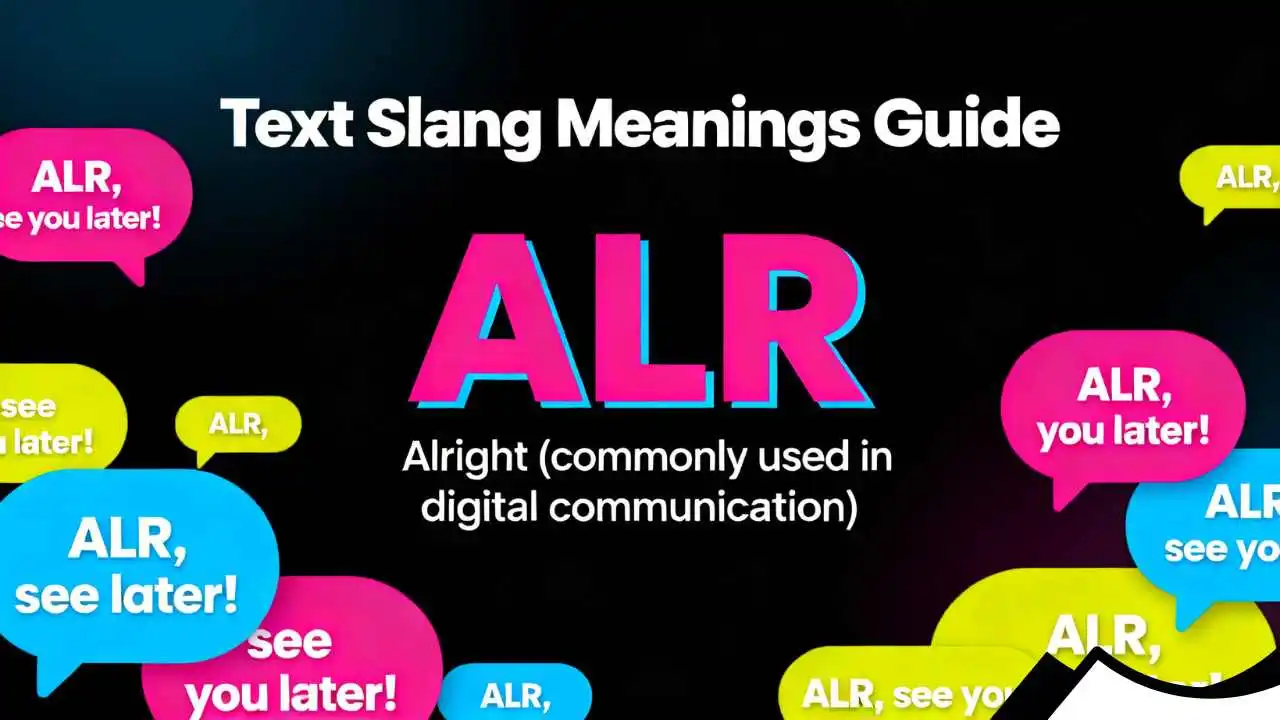
ALR means “Alright.”
That’s it. Simple.
It’s a shortened version of alright, commonly used in texting, online chat, and social media conversations.
Why Do People Use ALR Instead of “Alright”?
People love speed in digital communication. Shorter words mean:
- Faster typing
- Casual tone
- Less effort
- More relaxed conversation
It’s similar to other texting abbreviations like:
- “ok” instead of “okay”
- “ty” instead of “thank you”
- “brb” instead of “be right back”
ALR fits perfectly into modern texting culture.
Where Is ALR Commonly Used?
You’ll often see ALR on:
- Snapchat
- TikTok comments
- Instagram DMs
- iMessage
- WhatsApp
- Online gaming chats
It’s popular among teens and young adults, but anyone can use it.
Is ALR Always Positive?
Good question.
The tone depends on context.
“alr” can mean:
- Agreement
- Acceptance
- Mild annoyance
- Neutral response
For example:
- “Can we meet at 6?”
→ “alr” (Agreeing) - “You forgot again.”
→ “alr.” (Possibly annoyed)
Tone in text is tricky. Context is everything.
Why Is Understanding ALR Meaning Important?
You might think, “It’s just a small word.” But small words carry big meaning in digital conversations.
1. Avoid Miscommunication
Misreading tone can lead to unnecessary drama.
For example:
- Someone replies “alr”
- You assume they’re upset
- They actually meant “okay, sounds good”
Understanding slang prevents misunderstandings.
2. Stay Socially Relevant
Digital language evolves daily. Knowing terms like ALR keeps you:
- In the loop
- Confident in chats
- More relatable
Especially if you’re active on social media.
3. Improve Online Communication Skills
Text communication lacks facial expressions and voice tone. So abbreviations like ALR become emotional shortcuts.
Learning them helps you communicate more clearly.
How Is ALR Used in Texting? (With Examples)
Let’s look at real-world usage.
Example 1: Casual Agreement
Friend: “Movie tonight?”
You: “alr”
Meaning: Sure, okay.
Example 2: Accepting a Plan
Friend: “Pick you up at 7.”
You: “alr bet”
Meaning: Sounds good.
Example 3: Mild Frustration
Sibling: “I ate your snacks.”
You: “alr…”
Meaning: Not thrilled, but okay.
Notice how punctuation changes tone.
- “alr” → neutral
- “alr.” → serious
- “alr…” → annoyed
- “ALR” → emphasis
Small changes, big impact.
ALR vs Alright vs OK: What’s the Difference?
Here’s a quick comparison:
| Term | Meaning | Tone | Formality | Usage Level |
| ALR | Alright | Casual | Very Low | Text/Chat |
| Alright | Agreement | Neutral | Medium | General |
| OK | Agreement | Neutral/Formal | Medium | Universal |
| Okay | Agreement | Slightly softer | Medium | General |
When Should You Use ALR?
Use ALR when:
- Texting friends
- Chatting casually
- Replying quickly
- Being informal
Avoid it in:
- Work emails
- Professional messages
- Academic writing
Common Misunderstandings About ALR
Let’s clear up confusion.
❌ Myth 1: ALR Means “Already”
No.
“Already” is sometimes abbreviated as “alrdy” or “already.”
ALR = Alright.
❌ Myth 2: ALR Is Rude
Not necessarily.
It can feel short or dry, but tone depends on context. Add emojis if you want warmth.
Example:
- “alr 👍”
- “alr 😊”
❌ Myth 3: ALR Is Only for Teens
While teens popularized it, anyone can use it casually.
Slang spreads across age groups quickly.
How ALR Fits Into Modern Text Slang Culture
Digital language evolves like fashion.
In the early 2000s, we had:
- “lol”
- “brb”
- “ttyl”
Now we see:
- “fr” (for real)
- “ngl” (not gonna lie)
- “alr” (alright)
Platforms like TikTok accelerate slang trends. A viral comment can make an abbreviation mainstream overnight.
Language online becomes:
- Shorter
- Faster
- Emotion-driven
- Context-heavy
ALR is part of that linguistic shift.
Tips for Using ALR Naturally
Want to use ALR without sounding awkward? Follow these tips.
✅ 1. Match the Other Person’s Tone
If they use slang, you can too.
If they type full sentences, stay formal.
✅ 2. Avoid Overusing It
Using “alr” in every reply feels robotic.
Mix it up:
- okay
- sure
- got it
- sounds good
✅ 3. Add Emojis for Clarity
Tone confusion happens easily.
Examples:
- “alr 👍” → positive
- “alr 😂” → playful
- “alr…” → hesitant
✅ 4. Don’t Use It Professionally
In business communication, write “Alright” or “Okay.”
Professional clarity matters.
Real-Life Social Media Examples of ALR
Let’s look at common scenarios.
TikTok Comment Section
Video: “I tried waking up at 5 AM for a week.”
Comment: “alr but did it actually work?”
Here, ALR acts as a soft conversation starter.
Snapchat Chat
Friend: “You coming tonight?”
Reply: “alr I’ll be there.”
It keeps the tone relaxed and friendly.
Instagram DMs
“alr send me the link.”
Quick. Efficient. Casual.
How to Know the Tone Behind ALR
Since text lacks voice tone, use these clues:
1. Punctuation
- No punctuation → neutral
- Period → serious
- Ellipsis → annoyed or unsure
2. Message Length
Short replies may feel dry. But sometimes people just type fast.
3. Previous Conversation
If the chat was friendly, “alr” likely isn’t negative.
Context matters more than the word itself.
Suggested Visual/Infographic Ideas
If you’re creating content around this topic, consider adding:
- A comparison chart of text slang
- A tone breakdown infographic
- Screenshots of chat examples
- A “Slang Evolution Timeline” graphic
Visuals increase engagement and help readers understand faster.
Frequently Asked Questions (FAQs)
1. What does ALR mean in text?
ALR means “alright.” It’s a casual abbreviation used in texting and online chat.
2. Is ALR rude in messages?
Not usually. It depends on context and tone. Adding emojis can make it friendlier.
3. How is ALR different from OK?
ALR is more casual and modern. OK is more neutral and widely accepted in formal settings.
4. Can adults use ALR?
Yes. Anyone can use it in informal conversations.
5. Why do people shorten alright to ALR?
People prefer speed and convenience in texting. Shorter words save time.
6. Should I use ALR in professional emails?
No. Use “Alright” or “Okay” in professional communication.
7. Is ALR popular on Snapchat and TikTok?
Yes. It’s commonly used in casual chats and comment sections on social media.
Conclusion:
In texting, ALR is a simple abbreviation that can save time while keeping conversations casual and clear. It’s often used to show agreement, acknowledgment, or understanding without typing out a full response. Knowing abbreviations like ALR helps you stay fluent in digital communication and avoid misunderstandings in chats or social media conversations.
While short, these acronyms carry meaning and reflect modern texting habits where efficiency meets friendliness. Using ALR appropriately makes messages feel light, responsive, and socially aware. Mastering these small shortcuts keeps your texts smooth, relatable, and perfectly in tune with today’s fast-paced messaging style.