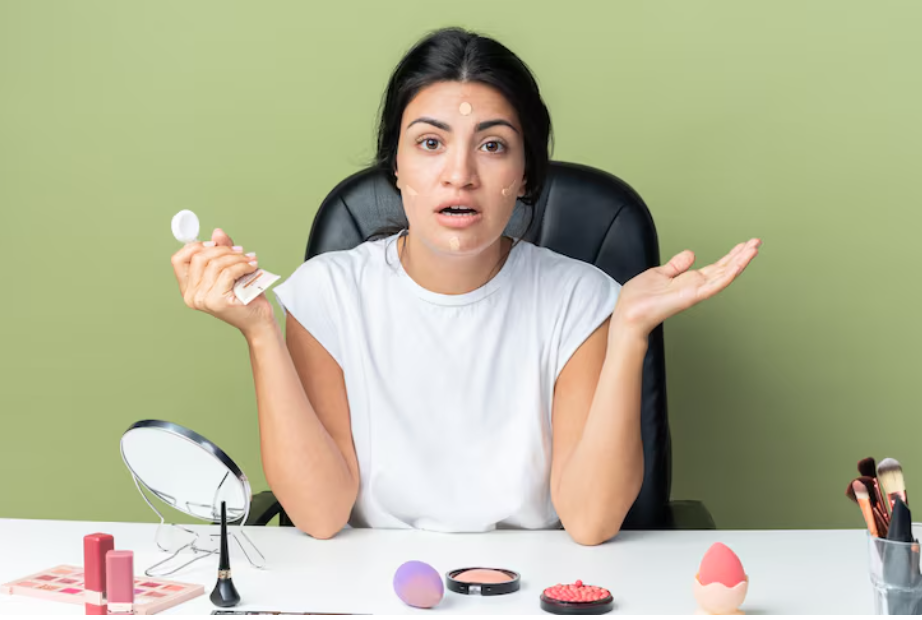
Healthy skin is often the result of consistent care, the right products, and good daily habits. However, even with the best intentions, certain skincare mistakes can damage your skin barrier, cause irritation, and lead to problems such as dryness, breakouts, sensitivity, and premature aging.
Many people assume that using more products or following complicated routines will automatically improve their skin. In reality, simple and consistent habits often deliver better results. Understanding common skincare mistakes can help you protect your skin and build a routine that supports long-term health.
Using Products Without Knowing Your Skin Type
One of the biggest skincare mistakes is choosing products without understanding your skin’s needs.
Different skin types require different approaches:
- Oily skin: Benefits from lightweight, non-comedogenic products.
- Dry skin: Needs hydrating and barrier-supporting ingredients.
- Sensitive skin: Requires gentle, fragrance-free formulas.
- Combination skin: Needs balanced products for different areas.
Using products that do not match your skin type can lead to clogged pores, irritation, excessive dryness, or increased oil production.
Over-Exfoliating Your Skin
Exfoliation helps remove dead skin cells and improve texture, but too much can cause serious problems.
Over-exfoliating may lead to:
- Redness
- Burning sensations
- Increased sensitivity
- Dryness
- Weakened skin barrier
- More frequent breakouts
Most people only need gentle exfoliation one to three times per week. Your skin needs time to repair itself between treatments.
Skipping Sunscreen
Many people underestimate the importance of daily sun protection.
Without sunscreen, repeated UV exposure can contribute to:
- Premature wrinkles
- Dark spots
- Uneven skin tone
- Loss of skin elasticity
- Sun damage
A broad-spectrum sunscreen with SPF 30 or higher should be part of your daily routine, even on cloudy days or during indoor activities near windows.
Sleeping With Makeup On
Leaving makeup on overnight can prevent your skin from properly recovering.
It may contribute to:
- Clogged pores
- Breakouts
- Dull-looking skin
- Irritation
- Increased buildup of impurities
Always remove makeup before bed and follow with a gentle cleanser to keep your skin clean.
Washing Your Face Too Often
Keeping your skin clean is important, but excessive washing can do more harm than good.
Over-cleansing can remove natural oils that protect your skin, resulting in:
- Dryness
- Tightness
- Irritation
- Increased oil production
Most people benefit from cleansing once in the morning and once at night with a gentle cleanser.
Using Too Many Active Ingredients
Modern skincare products often contain powerful ingredients designed to target specific concerns.
However, combining too many active ingredients can overwhelm your skin.
Examples include excessive use of:
- Retinol
- Vitamin C
- AHAs
- BHAs
- Benzoyl peroxide
Using multiple strong ingredients together may cause irritation, peeling, and sensitivity. Introduce new products gradually and monitor how your skin responds.
Ignoring Moisturizer Because of Oily Skin
A common misconception is that oily skin does not need moisturizer.
In reality, skipping hydration can sometimes cause the skin to produce more oil to compensate for dryness.
Look for:
- Lightweight gel moisturizers
- Oil-free formulas
- Non-comedogenic products
Proper hydration helps maintain a healthy skin barrier.
Picking or Popping Pimples
Although it can be tempting, squeezing pimples can make skin problems worse.
It may cause:
- Inflammation
- Infection
- Longer healing time
- Dark marks
- Scarring
Instead, use appropriate acne treatments and allow blemishes to heal naturally.
Using Dirty Makeup Brushes
Makeup brushes collect:
- Oil
- Dead skin cells
- Bacteria
- Product buildup
Using dirty tools can transfer these impurities back onto your skin.
Clean makeup brushes regularly to reduce the risk of irritation and breakouts.
Not Removing Sunscreen Properly
Sunscreen is essential, but it should also be removed properly at the end of the day.
Leaving sunscreen residue mixed with oil and dirt may contribute to:
- Clogged pores
- Uneven texture
- Breakouts
A gentle cleanser or double cleansing method can help remove sunscreen effectively.
Changing Products Too Frequently
Skincare requires patience.
Switching products constantly makes it difficult to determine what works and may increase irritation.
Many skincare products require several weeks of consistent use before noticeable improvements appear.
Give products enough time to work unless they cause discomfort or adverse reactions.
Using Expired Skincare Products
Expired products may become less effective and can sometimes irritate the skin.
Always check:
- Expiration dates
- Product texture changes
- Unusual smells
- Packaging damage
Replace old products to maintain safety and effectiveness.
Applying Products in the Wrong Order
The order of your skincare routine affects how well products work.
A common order is:
- Cleanser
- Toner (optional)
- Serum
- Treatment products
- Moisturizer
- Sunscreen (morning only)
Applying heavier products before lighter ones may reduce absorption.
Ignoring Your Neck and Hands
Many people focus only on facial skincare while ignoring areas that also show signs of aging.
The neck and hands are frequently exposed to:
- Sunlight
- Environmental damage
- Dryness
Extend your moisturizer and sunscreen routine beyond your face for more balanced care.
Using Harsh Scrubs
Physical scrubs with rough particles can create tiny tears and irritation, especially for sensitive skin.
Instead, consider gentler exfoliating options designed to remove dead skin cells without damaging the skin barrier.
A smoother appearance should never come at the cost of skin health.
Not Washing Pillowcases Regularly
Pillowcases collect:
- Sweat
- Oil
- Hair products
- Dead skin cells
These substances can contribute to clogged pores and irritation.
Changing pillowcases regularly helps maintain cleaner contact with your skin.
Neglecting Hydration and Nutrition
Skincare products are only one part of maintaining healthy skin.
Your lifestyle also matters.
Support your skin by:
- Drinking enough water
- Eating nutrient-rich foods
- Getting quality sleep
- Managing stress
- Exercising regularly
Healthy habits work together with skincare products to improve overall appearance.
Following Trends Without Research
Popular skincare trends can be exciting, but not every viral product or technique is suitable for everyone.
Before trying a new trend:
- Check ingredients
- Understand potential risks
- Consider your skin type
- Introduce products slowly
What works for one person may not work for another.
Building Better Skincare Habits
A healthier skincare routine focuses on consistency rather than complexity.
Good habits include:
- Cleansing gently
- Moisturizing daily
- Wearing sunscreen
- Introducing new products slowly
- Avoiding unnecessary irritation
- Listening to your skin’s needs
A simple routine performed consistently is often more effective than an expensive collection of products.
Conclusion
Many common skincare mistakes happen because people try to do too much or use products without understanding their skin. Over-exfoliating, skipping sunscreen, sleeping with makeup on, and using unsuitable products can weaken your skin barrier and create long-term problems.
The best skincare approach is simple: protect your skin, keep it hydrated, use suitable products, and maintain healthy daily habits. By avoiding these common mistakes and focusing on consistency, you can support smoother, healthier, and more radiant skin over time.