Introduction
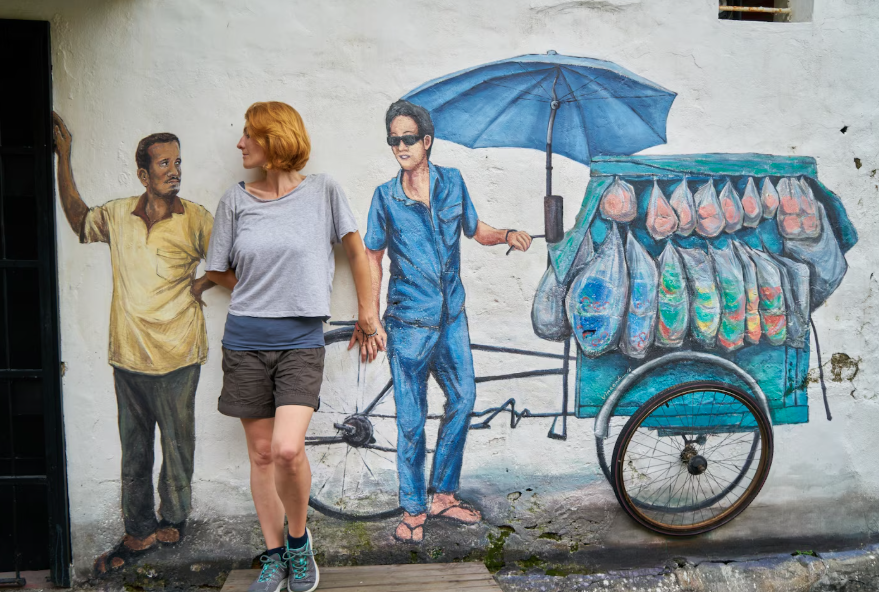
Street art has transformed dramatically over the past several decades. Once viewed primarily as unauthorized graffiti or urban decoration, it has grown into a respected form of artistic expression displayed in galleries, museums, and public spaces around the world.
More than just colorful images on city walls, street art represents identity, social commentary, creativity, and community storytelling. Artists use public spaces as open canvases to communicate ideas, challenge perspectives, and connect with diverse audiences. Today, street art is recognized as a powerful global cultural movement that continues to influence fashion, design, politics, and contemporary art.
The Origins of Street Art
The roots of modern street art can be traced back to urban communities where individuals used public spaces to express themselves. Early forms of graffiti emerged as a way for people to share personal messages, mark territory, and create visual identities.
During the 1960s and 1970s, graffiti culture expanded in cities where young artists began experimenting with lettering, symbols, and large-scale wall paintings. What started as a local form of expression gradually developed into a broader artistic movement.
Street art evolved from simple tags and signatures into complex works featuring:
- Detailed illustrations
- Social messages
- Political commentary
- Portraits
- Abstract designs
- Large-scale murals
The Difference Between Graffiti and Street Art
Although graffiti and street art are closely connected, they are not exactly the same.
Graffiti traditionally focuses on lettering, tags, and stylized writing, often emphasizing the artist’s identity or signature. Street art generally includes a wider range of visual approaches, including paintings, stencils, murals, installations, and mixed-media creations.
Both forms share common elements:
- Public locations
- Creative expression
- Urban environments
- Cultural influence
- Strong visual impact
Over time, the boundaries between graffiti and street art have become increasingly flexible.
Street Art as a Voice for Communities
One reason street art became globally influential is its ability to represent the voices of communities. Unlike traditional artwork displayed only in galleries, street art is accessible to everyone.
Artists use public walls to discuss:
- Social inequality
- Environmental issues
- Human rights
- Cultural identity
- Political concerns
- Community experiences
Murals often become symbols of neighborhoods, reflecting the stories and struggles of the people who live there.
The Rise of Street Art Festivals
Street art festivals have played an important role in bringing artists and communities together. These events transform cities into open-air galleries where residents and visitors can experience large-scale creative projects.
Benefits of street art festivals include:
- Supporting local artists
- Revitalizing neighborhoods
- Encouraging tourism
- Creating cultural connections
- Celebrating artistic diversity
Cities around the world now recognize street art as an important part of their cultural identity.
The Influence of Famous Street Artists
Several influential artists have helped bring street art into mainstream culture. Their unique styles and thought-provoking works have introduced millions of people to the power of urban art.
Well-known street artists have contributed to the movement by:
- Creating memorable public artworks
- Challenging traditional views of art
- Addressing social issues
- Expanding artistic techniques
- Inspiring new generations of creators
Their success has helped demonstrate that meaningful art can exist outside traditional galleries and museums.
Technology and the Digital Expansion of Street Art
Technology has changed how street art is created, shared, and experienced. Social media platforms allow artists to showcase their work to global audiences instantly.
Digital platforms have helped street art by:
- Increasing artist visibility
- Connecting international communities
- Documenting temporary artworks
- Encouraging creative collaboration
- Inspiring new artistic styles
A mural created in one city can now influence viewers thousands of miles away.
Street Art and Social Change
Many street artists use their work as a tool for raising awareness and encouraging discussion. Public artwork can bring attention to important issues in ways that are accessible and emotionally powerful.
Street art has addressed topics such as:
- Climate change
- Equality
- Migration
- Peace
- Public health
- Social justice
Because it appears in shared spaces, street art often reaches audiences who may not visit traditional cultural institutions.
The Commercialization of Street Art
As street art gained popularity, businesses, brands, and organizations began recognizing its cultural influence. Many companies now collaborate with artists for marketing campaigns, product designs, and public projects.
This shift has created new opportunities, including:
- Professional commissions
- Gallery exhibitions
- Brand partnerships
- Art sales
- Creative careers
However, commercialization has also created debates about preserving the original spirit of street art and maintaining its connection to communities.
Street Art and Urban Transformation
Street art can dramatically change how people experience cities. Blank walls, abandoned buildings, and neglected areas can become vibrant cultural landmarks through creative intervention.
Positive effects include:
- Beautifying urban spaces
- Encouraging community pride
- Attracting visitors
- Supporting local economies
- Creating cultural identity
Many cities now use street art projects as part of urban renewal and cultural development programs.
The Role of Street Art in Modern Culture
Street art has influenced many areas beyond visual arts.
Its impact can be seen in:
- Fashion design
- Music culture
- Graphic design
- Advertising
- Film
- Interior decoration
- Digital creativity
The bold styles, messages, and visual language of street art continue shaping modern aesthetics.
The Future of Street Art
The future of street art will likely involve a combination of traditional techniques and emerging technologies. Artists are experimenting with digital tools, interactive installations, augmented reality, and environmentally conscious materials.
Future developments may include:
- Interactive public artworks
- Digital street art experiences
- Sustainable mural projects
- AI-assisted creative processes
- Community-driven art initiatives
As cities continue evolving, street art will remain a powerful way for people to express ideas and connect with one another.
Conclusion
Street art has journeyed from underground expression to a globally recognized cultural movement. What began as personal statements on city walls has become a powerful form of storytelling, activism, and artistic innovation.
By transforming public spaces into platforms for creativity and conversation, street artists have changed how the world understands art. Whether addressing social issues, celebrating culture, or simply adding beauty to everyday environments, street art continues to prove that creativity can exist anywhere—and that every wall has the potential to tell a story.