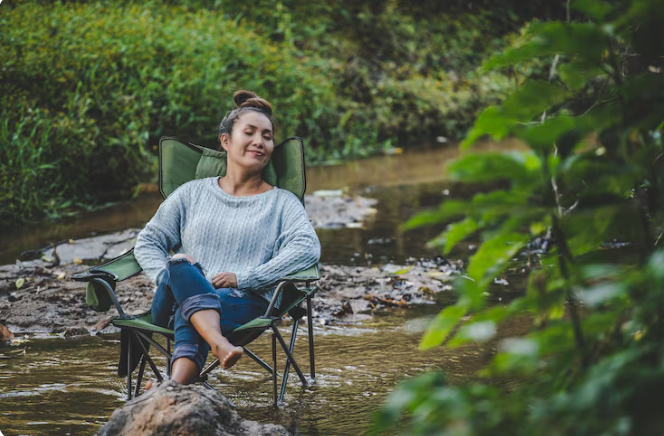
In a world filled with busy schedules, digital distractions, and constant connectivity, spending time in nature provides a valuable opportunity to slow down, recharge, and reconnect with the world around us. Whether it is walking through a park, hiking in the mountains, relaxing near the ocean, or simply enjoying a garden, natural environments can have powerful effects on physical and mental well-being.
Research and everyday experiences show that time spent outdoors can improve mood, reduce stress, increase creativity, and support a healthier lifestyle. Making nature a regular part of your routine can be a simple yet effective way to improve overall quality of life.
Why Nature Is Important for Well-Being
Humans have always had a connection with the natural environment. Modern lifestyles, however, often keep people indoors for long periods, surrounded by technology and artificial environments.
Spending time in nature helps restore balance by providing:
- Fresh air and natural surroundings
- Opportunities for physical activity
- A break from digital distractions
- Peaceful environments for reflection
- Connection with the natural world
Even short periods outdoors can positively influence mood and energy levels.
Reduces Stress and Promotes Relaxation
One of the most recognized benefits of spending time in nature is stress reduction.
Natural environments can help calm the mind by:
- Lowering feelings of tension
- Encouraging relaxation
- Reducing mental fatigue
- Creating a sense of peace
Activities such as walking in a forest, sitting near water, or gardening allow the brain to move away from constant stimulation and focus on the present moment.
Improves Mental Health
Nature can play an important role in supporting emotional well-being.
Outdoor activities may help:
- Improve mood
- Reduce feelings of anxiety
- Increase feelings of happiness
- Promote emotional balance
- Provide a healthy mental break
Spending time outdoors does not replace professional mental health care when needed, but it can be a valuable part of a healthy lifestyle.
Boosts Physical Health
Many outdoor activities naturally encourage movement, which supports physical fitness.
Examples include:
- Walking
- Hiking
- Cycling
- Swimming
- Gardening
- Outdoor sports
Regular physical activity can improve:
- Heart health
- Muscle strength
- Flexibility
- Energy levels
- Overall fitness
Combining exercise with time in nature provides benefits for both the body and mind.
Enhances Focus and Creativity
Modern life often involves constant notifications, multitasking, and screen exposure. Nature provides a refreshing environment that allows the brain to recover from mental overload.
Time outdoors can improve:
- Concentration
- Problem-solving abilities
- Creative thinking
- Mental clarity
Many people find that ideas and inspiration come more easily when they step away from busy routines and spend time in natural surroundings.
Supports Better Sleep
Exposure to natural environments and daylight can help regulate the body’s internal clock.
Spending time outdoors may support better sleep by:
- Increasing exposure to natural light
- Encouraging physical activity
- Reducing stress levels
- Helping establish healthier daily rhythms
A morning walk outside, in particular, can help align the body’s sleep-wake cycle.
Strengthens the Immune System
Being outdoors exposes people to fresh air, sunlight, and natural environments that can support overall health.
Activities such as spending time among trees or green spaces may contribute to:
- Improved relaxation
- Reduced stress hormones
- Better overall wellness
A balanced lifestyle that includes outdoor time can support the body’s natural ability to stay healthy.
Encourages Mindfulness
Nature naturally encourages people to slow down and pay attention to their surroundings.
Mindful outdoor experiences may include:
- Listening to birds
- Observing plants and wildlife
- Feeling the texture of natural surfaces
- Watching sunsets
- Paying attention to sounds and smells
These simple practices encourage awareness and help reduce mental clutter.
Strengthens Social Connections
Nature can also create opportunities for meaningful social interaction.
Outdoor activities with others include:
- Family walks
- Group hikes
- Community gardening
- Outdoor sports
- Nature trips
Shared experiences in natural settings can strengthen relationships and create lasting memories.
Benefits for Children
Children especially benefit from spending time outdoors.
Nature encourages:
- Physical activity
- Imagination
- Curiosity
- Exploration
- Problem-solving skills
Outdoor play helps children develop confidence, creativity, and a stronger connection with the environment.
Encourages a Healthier Lifestyle
People who spend more time outdoors often develop healthier routines.
Nature can motivate individuals to:
- Exercise regularly
- Reduce screen time
- Explore new activities
- Practice relaxation
- Spend more time with others
Small changes, such as taking a daily walk outside, can lead to long-term lifestyle improvements.
Simple Ways to Spend More Time in Nature
You do not need to travel far to experience the benefits of nature.
Try these simple ideas:
Take Daily Walks
A short walk in a nearby park or neighborhood can provide physical and mental benefits.
Create a Home Garden
Gardening offers relaxation, physical activity, and a rewarding connection with nature.
Plan Outdoor Activities
Consider:
- Hiking trips
- Camping weekends
- Beach visits
- Cycling routes
- Nature photography
Eat Outdoors
Enjoying a meal outside can provide a refreshing change from indoor routines.
Practice Outdoor Mindfulness
Spend a few minutes observing your surroundings without distractions.
Nature and Digital Balance
Technology provides many benefits, but excessive screen time can contribute to stress and reduced attention.
Spending time in nature helps create balance by encouraging:
- Digital breaks
- Real-world experiences
- Face-to-face interactions
- Mental recovery
A healthy relationship with technology includes knowing when to disconnect and recharge.
Protecting Natural Spaces
As people benefit from nature, protecting the environment becomes increasingly important.
Responsible outdoor habits include:
- Avoiding litter
- Respecting wildlife
- Staying on marked trails
- Reducing plastic use
- Supporting conservation efforts
Preserving natural areas ensures future generations can enjoy the same benefits.
Making Nature Part of Your Routine
Consistency matters more than the amount of time spent outdoors.
Start with small habits:
- Spend 10 minutes outside each morning.
- Take walking breaks during the day.
- Visit a local green space weekly.
- Plan regular outdoor activities.
Over time, these habits can become a natural and enjoyable part of your lifestyle.
Conclusion
Spending time in nature offers powerful benefits for physical health, mental well-being, creativity, and overall happiness. From reducing stress and improving focus to encouraging exercise and stronger relationships, natural environments provide valuable support for a balanced lifestyle.
You do not need expensive trips or distant destinations to enjoy nature’s benefits. Simple moments outdoors—a walk in a park, time in a garden, or relaxing under the open sky—can make a meaningful difference. By making nature a regular part of your routine, you can create a healthier, calmer, and more fulfilling way of living.