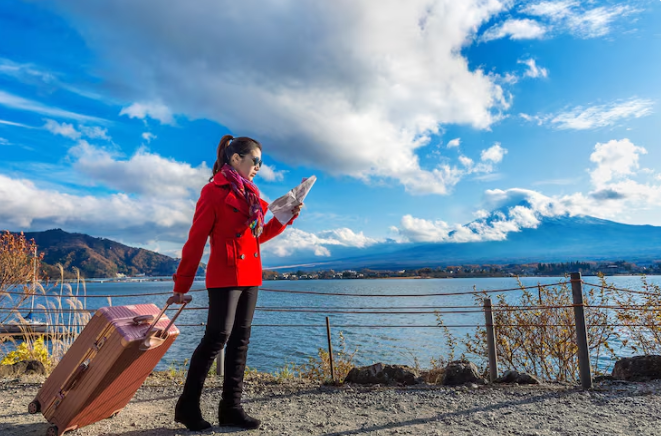
In a world where fast-paced lifestyles have become the norm, many travelers are beginning to rethink the way they explore the world. Instead of rushing from one attraction to another, more people are embracing slow travel—a mindful approach that focuses on deeper connections, authentic experiences, and meaningful moments.
Slow travel is not about visiting fewer places simply for the sake of it. It is about experiencing destinations more intentionally, understanding local cultures, supporting communities, and allowing time for genuine discovery. This growing travel movement reflects a desire for more rewarding journeys rather than simply collecting destinations.
What Is Slow Travel?
Slow travel is a travel philosophy that encourages visitors to spend more time in fewer places and experience destinations at a deeper level.
Unlike traditional tourism, which often focuses on checking popular locations off a list, slow travel emphasizes:
- Cultural immersion
- Local interactions
- Sustainable choices
- Relaxed exploration
- Personal growth
- Meaningful memories
The goal is to connect with a destination rather than simply pass through it.
Why Slow Travel Is Becoming Popular
Several factors are contributing to the rise of slow travel.
Desire for Authentic Experiences
Many travelers are moving away from crowded tourist attractions and seeking genuine experiences that reflect local life.
They want to:
- Meet local residents
- Learn traditional skills
- Taste regional foods
- Understand cultural practices
- Explore beyond typical tourist routes
Authentic experiences often create stronger memories than quick visits to famous landmarks.
Growing Interest in Sustainable Tourism
Environmental awareness has influenced how people travel. Many travelers now consider the impact their journeys have on destinations.
Slow travel supports sustainability by encouraging:
- Longer stays
- Fewer flights
- Local transportation
- Support for small businesses
- Responsible tourism practices
This approach helps reduce environmental impact while benefiting local communities.
The Benefits of Slow Travel
Deeper Cultural Connections
Spending more time in one location allows travelers to understand local traditions, lifestyles, and values.
Instead of observing a culture from a distance, travelers can participate through:
- Local festivals
- Community events
- Cooking classes
- Artisan workshops
- Conversations with residents
These interactions create a richer understanding of the destination.
Less Stress and More Relaxation
Traditional travel schedules can become exhausting when packed with constant activities and transportation.
Slow travel encourages:
- Flexible schedules
- Relaxed exploration
- Time for reflection
- Fewer rushed decisions
This allows travelers to enjoy the journey itself rather than focusing only on reaching the next destination.
More Meaningful Memories
A slow journey often creates stronger emotional connections.
Examples include:
- Sharing meals with local families
- Watching a sunset from a quiet village
- Learning a traditional craft
- Exploring hidden trails
- Building friendships with locals
These moments often become the stories travelers remember most.
Slow Travel vs. Traditional Tourism
Traditional Tourism
Often focuses on:
- Visiting many destinations quickly
- Popular attractions
- Fixed schedules
- Short stays
- Photo opportunities
Slow Travel
Focuses on:
- Fewer destinations
- Longer stays
- Local experiences
- Cultural understanding
- Personal connections
Both travel styles have value, but slow travel prioritizes depth over quantity.
Choosing Local Experiences
A major part of slow travel involves engaging with local communities.
Travelers can explore destinations by:
- Shopping at local markets
- Eating at family-owned restaurants
- Staying in locally operated accommodations
- Hiring local guides
- Attending community events
Supporting local businesses helps preserve culture while creating more authentic experiences.
The Role of Local Food in Slow Travel
Food is one of the best ways to understand a destination.
Slow travelers often seek:
- Traditional cooking classes
- Regional specialties
- Local farms
- Food markets
- Family-owned restaurants
A meal can reveal a destination’s history, traditions, and connection to the land.
Exploring Nature at a Slower Pace
Slow travel encourages travelers to appreciate natural environments without rushing.
Activities may include:
- Hiking scenic trails
- Wildlife observation
- Cycling through countryside areas
- Spending time near lakes or forests
- Exploring national parks responsibly
This creates a stronger connection with nature and promotes conservation awareness.
Slow Travel and Remote Work
The growth of remote work has made slow travel more accessible. Digital professionals can now live and work in different locations for extended periods.
Benefits include:
- Experiencing local lifestyles
- Reducing frequent travel costs
- Creating work-life flexibility
- Building global connections
Many destinations now welcome long-term visitors who contribute to local economies.
How to Plan a Slow Travel Journey
Creating a meaningful slow travel experience requires thoughtful planning.
Choose Fewer Destinations
Instead of visiting multiple cities in a short period, select one or two locations and explore them deeply.
Stay Longer
Spending a week or more in a destination allows you to understand its rhythm and culture.
Use Local Transportation
Travel by:
- Trains
- Buses
- Bicycles
- Walking routes
These options often reveal parts of a destination that tourists miss.
Leave Room for Spontaneity
Avoid planning every moment. Some of the best travel experiences happen unexpectedly.
Popular Slow Travel Experiences
Slow travel can take many forms, including:
- Village stays
- Farm experiences
- Cultural exchanges
- Long hiking journeys
- Road trips through scenic regions
- Wellness retreats
- Culinary tours
- Heritage exploration
The focus is always on connection and discovery.
Challenges of Slow Travel
While slow travel offers many benefits, it also has some challenges.
Requires More Time
Longer stays may not be possible for travelers with limited vacation periods.
Less Destination Variety
Some travelers enjoy visiting many places, and slow travel naturally involves fewer destinations.
More Planning
Finding long-term accommodations and local experiences may require additional research.
Despite these challenges, many travelers find the deeper experiences worthwhile.
The Future of Meaningful Travel
The future of tourism is likely to focus increasingly on quality rather than quantity. Travelers are becoming more interested in experiences that support personal growth, environmental responsibility, and cultural connection.
Future travel trends may include:
- More sustainable transportation
- Community-based tourism
- Longer destination stays
- Personalized experiences
- Nature-focused journeys
Slow travel represents a shift toward more thoughtful and responsible exploration.
Conclusion
The rise of slow travel reflects a growing desire for deeper, more meaningful journeys. Instead of rushing through destinations, travelers are choosing to slow down, connect with local communities, appreciate nature, and create lasting memories.
Travel is not only about where you go—it is about how you experience the journey. By embracing slow travel, people can discover the true character of a destination while creating more rewarding and unforgettable adventures.
read more: Parens Meaning in Text and Daily Use Guide for 2026