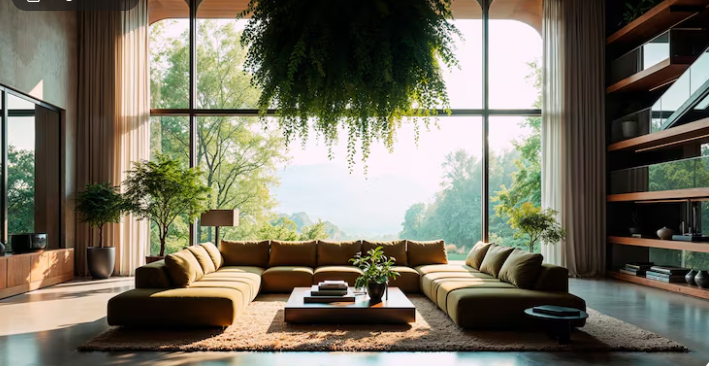
Modern lifestyles often keep people indoors for long periods, surrounded by technology, artificial lighting, and urban environments. Biophilic design offers a solution by reconnecting indoor spaces with the natural world. This design approach focuses on incorporating elements of nature into homes to create healthier, calmer, and more inspiring living environments.
From indoor plants and natural materials to better lighting and outdoor connections, biophilic design is transforming modern homes by making spaces feel more comfortable and balanced.
What Is Biophilic Design?
Biophilic design is an approach to architecture and interior design that integrates natural elements into built environments. The concept is based on the idea that humans have an inherent connection with nature and benefit from being surrounded by natural features.
A biophilic home may include:
- Indoor plants
- Natural textures
- Organic shapes
- Natural lighting
- Water features
- Views of outdoor spaces
- Sustainable materials
The goal is not simply to decorate with nature-inspired objects but to create environments that support physical and emotional well-being.
Why Biophilic Design Is Becoming Popular
As cities grow and lifestyles become increasingly digital, many people are seeking ways to bring nature back into their daily lives.
The popularity of biophilic design is influenced by:
- Increased focus on wellness
- Urban living trends
- Interest in sustainable homes
- Desire for peaceful interiors
- Growing awareness of mental health
- Need for comfortable home environments
People are looking for homes that do more than provide shelter—they want spaces that improve their quality of life.
The Benefits of Bringing Nature Indoors
Biophilic design can positively influence how people experience their homes.
Potential benefits include:
- Creating a more relaxing atmosphere
- Improving visual comfort
- Supporting productivity
- Making spaces feel more welcoming
- Encouraging connection with the environment
- Enhancing overall well-being
A home connected to nature often feels warmer, more peaceful, and more personalized.
Indoor Plants as a Key Element
Plants are one of the easiest ways to introduce biophilic design into any home.
Popular indoor plants include:
- Snake plants
- Peace lilies
- Pothos
- Ferns
- Rubber plants
- Spider plants
Plants add color, texture, and life to interiors while creating a stronger connection to nature.
For smaller homes, hanging plants, vertical gardens, and compact planters can provide natural elements without requiring much space.
Using Natural Materials
Materials inspired by nature create warmth and authenticity in modern interiors.
Common choices include:
- Wood
- Stone
- Bamboo
- Rattan
- Clay
- Linen
- Cotton
Wooden furniture, stone surfaces, and woven textures can make spaces feel more organic and comfortable.
Natural materials also pair well with minimalist and contemporary design styles.
Maximizing Natural Light
Light plays a major role in biophilic design.
Natural lighting can be increased by:
- Using larger windows
- Removing heavy curtains
- Adding mirrors to reflect sunlight
- Choosing lighter wall colors
- Using transparent or open layouts
Exposure to natural light helps create brighter and more inviting spaces while reducing dependence on artificial lighting during the day.
Creating Views of Nature
A connection to outdoor environments is an important part of biophilic design.
Ways to improve outdoor connections include:
- Positioning furniture near windows
- Creating balcony gardens
- Adding outdoor seating areas
- Using glass doors
- Designing spaces around garden views
Even a small view of greenery can make an indoor environment feel more connected to nature.
Adding Natural Colors
Color choices strongly influence how a space feels.
Biophilic color palettes often include:
- Green inspired by plants
- Blue inspired by water and sky
- Earthy browns
- Warm beige tones
- Soft neutral shades
These colors create a calming atmosphere and complement natural materials.
Incorporating Water Features
Water is another powerful natural element used in biophilic design.
Indoor water features may include:
- Small fountains
- Decorative water walls
- Aquariums
- Tabletop water displays
The sound and visual movement of water can add a peaceful quality to living spaces.
Choosing Organic Shapes
Nature rarely follows perfectly straight lines. Biophilic interiors often incorporate curved and flowing forms.
Examples include:
- Rounded furniture
- Curved sofas
- Organic-shaped mirrors
- Circular tables
- Natural patterns
These shapes create a softer and more relaxed feeling compared to rigid designs.
Creating Natural Ventilation
Fresh air is an important connection to nature.
Homes can improve airflow through:
- Openable windows
- Cross ventilation
- Indoor courtyards
- Screened outdoor areas
Better airflow improves comfort and creates a stronger relationship between indoor and outdoor environments.
Sustainable Design Choices
Biophilic design often overlaps with sustainable living.
Eco-friendly choices include:
- Reclaimed wood furniture
- Energy-efficient lighting
- Sustainable fabrics
- Low-impact materials
- Locally sourced products
These choices support both environmental responsibility and healthier homes.
Biophilic Design for Small Spaces
You don’t need a large house to incorporate natural elements.
Small-space ideas include:
- Adding plants to shelves
- Creating a small herb garden
- Using wooden accessories
- Installing natural artwork
- Adding nature-inspired textiles
- Using natural lighting effectively
Even simple additions can create a stronger connection with nature.
Biophilic Design in Different Rooms
Living Room
Ideas include:
- Large indoor plants
- Wooden furniture
- Natural rugs
- Green accent walls
- Large windows
Bedroom
Consider:
- Organic bedding
- Soft lighting
- Natural textures
- Plants with air-purifying qualities
- Calm colors
Kitchen
Try:
- Wooden cabinets
- Herb gardens
- Stone countertops
- Natural storage materials
Bathroom
Add:
- Bamboo accessories
- Natural stone
- Plants suitable for humidity
- Earth-toned colors
Common Biophilic Design Mistakes
Avoid these mistakes when creating a nature-inspired home:
- Adding too many plants without proper care
- Using artificial nature elements excessively
- Ignoring lighting quality
- Creating clutter instead of balance
- Choosing style over functionality
The goal is harmony, not simply adding more natural objects.
How Technology Can Support Biophilic Homes
Modern technology can enhance nature-inspired living.
Examples include:
- Smart lighting that adjusts throughout the day
- Automated plant watering systems
- Energy-efficient climate control
- Smart windows
- Indoor air-quality monitors
Technology and nature can work together to create healthier living spaces.
The Future of Biophilic Homes
As wellness-focused design continues to grow, biophilic principles are likely to become more common in residential architecture.
Future homes may include:
- Integrated indoor gardens
- More sustainable materials
- Smart environmental controls
- Flexible indoor-outdoor spaces
- Nature-focused architectural designs
The future of home design is increasingly focused on creating spaces that support both people and the planet.
Conclusion
Biophilic design represents a new way of thinking about modern homes by bringing natural elements into everyday living spaces. Through plants, natural materials, organic shapes, improved lighting, and sustainable choices, homeowners can create environments that feel healthier, calmer, and more connected.
Whether through a simple indoor plant or a complete nature-inspired renovation, biophilic design proves that even small connections with nature can transform the way we experience our homes. As modern living continues to evolve, bringing nature indoors will remain an important part of creating comfortable and meaningful spaces.