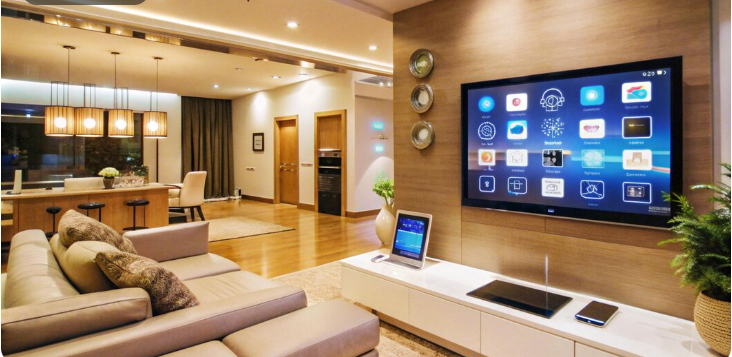
Interior design has always reflected the way people live, and today technology is becoming one of the most influential elements shaping modern homes. Smart home systems are changing how spaces are designed, used, and experienced by combining convenience, efficiency, and personalization with traditional design principles.
From automated lighting and intelligent climate control to hidden technology and voice-activated features, smart homes are creating living environments that adapt to individual lifestyles. The future of interior design is no longer just about how a home looks—it is also about how intelligently it functions.
The Rise of Smart Home Design
Smart homes use connected technology to control and automate various household functions. Devices communicate through networks, allowing homeowners to manage systems through smartphones, tablets, voice assistants, or automated settings.
Modern smart home features include:
- Smart lighting
- Automated climate control
- Connected appliances
- Smart security systems
- Motorized window treatments
- Home entertainment systems
- Voice-controlled assistants
As these technologies become more accessible, they are becoming an important part of residential design.
Technology Is Becoming Part of the Design Process
Traditional interior design focused mainly on aesthetics, layout, materials, and furniture. Smart home design adds another layer: functionality.
Designers now consider:
- Where devices should be installed
- How technology integrates with furniture
- How wiring and equipment can remain hidden
- How users interact with their environment
Technology is no longer something added after construction—it is increasingly planned from the beginning.
Smart Lighting Creates Flexible Atmospheres
Lighting is one of the biggest areas where smart technology has transformed interior design.
Smart lighting systems allow homeowners to:
- Adjust brightness remotely
- Change color temperatures
- Create customized lighting scenes
- Schedule automatic lighting changes
- Control lights through voice commands
For example, a living room can have bright lighting for work during the day and warm, dim lighting for relaxation in the evening.
This flexibility allows spaces to adapt to different activities and moods.
Personalized Home Experiences
One of the biggest advantages of smart homes is personalization.
Modern systems can remember preferences such as:
- Favorite lighting settings
- Preferred room temperatures
- Entertainment choices
- Morning and evening routines
A smart home can create customized environments that match individual habits and lifestyles.
Minimalist Design Through Hidden Technology
Smart technology is influencing the appearance of modern interiors by encouraging cleaner, more minimal designs.
Many homeowners prefer:
- Hidden speakers
- Concealed wiring
- Built-in charging stations
- Integrated control panels
- Invisible security systems
Instead of dominating the room visually, technology is becoming more discreet and seamlessly incorporated into the design.
Smart Furniture and Multifunctional Spaces
As homes become more flexible, furniture design is also evolving.
Smart furniture may include:
- Adjustable desks
- Charging-enabled tables
- Motion-controlled seating
- Convertible furniture systems
These innovations are especially useful in smaller homes where every space must serve multiple purposes.
The Impact on Home Office Design
The growth of remote work has increased demand for smarter home office spaces.
Modern smart offices may include:
- Adjustable lighting
- Automated temperature control
- Wireless charging solutions
- Noise management systems
- Smart desks
- Video conferencing setups
Technology helps create workspaces that are comfortable, productive, and adaptable.
Energy Efficiency and Sustainable Design
Smart home technology supports environmentally conscious interior design by improving energy management.
Smart systems can:
- Monitor electricity usage
- Adjust heating and cooling automatically
- Control lighting based on occupancy
- Reduce unnecessary energy consumption
These features help homeowners create more sustainable and cost-efficient living spaces.
Smart Climate Control Improves Comfort
Traditional thermostats require manual adjustments, but smart climate systems learn user preferences and adjust automatically.
Benefits include:
- Consistent indoor temperatures
- Lower energy usage
- Room-by-room climate control
- Remote access
A comfortable home environment becomes easier to maintain without constant adjustments.
Smart Kitchens Are Changing Cooking Spaces
The kitchen is one of the areas experiencing major technological changes.
Smart kitchen features include:
- Connected refrigerators
- Voice-controlled appliances
- Smart ovens
- Automated coffee makers
- Touchless faucets
These innovations improve convenience while influencing kitchen layouts and storage solutions.
Bathrooms With Intelligent Features
Smart technology is also transforming bathroom design.
Popular features include:
- Smart mirrors
- Automated lighting
- Digital showers
- Heated floors
- Touchless fixtures
These additions create more comfortable and personalized experiences.
Smart Entertainment Integration
Home entertainment systems are becoming more integrated with interior design.
Modern solutions include:
- Hidden televisions
- Built-in speakers
- Automated curtains
- Home theaters
- Multi-room audio systems
Designers increasingly focus on creating entertainment spaces where technology enhances the experience without overwhelming the room.
Improving Home Security Without Affecting Style
Security technology has become more sophisticated while becoming less visually intrusive.
Smart security features include:
- Video doorbells
- Smart locks
- Motion sensors
- Indoor cameras
- Automated lighting for security
These systems provide protection while maintaining a home’s aesthetic appeal.
The Role of Artificial Intelligence
Artificial intelligence is making smart homes more responsive.
AI-powered systems can:
- Learn daily routines
- Predict preferences
- Automate repetitive tasks
- Improve energy management
- Provide personalized recommendations
As AI technology develops, homes may become even more adaptive and intuitive.
Smart Homes and Interior Design Trends
Several interior design trends are being influenced by smart technology.
Flexible Living Spaces
Rooms are becoming adaptable through:
- Adjustable lighting
- Modular furniture
- Automated systems
Minimalism
Hidden technology supports cleaner, clutter-free interiors.
Wellness-Focused Design
Smart systems help create healthier environments through:
- Air quality monitoring
- Better lighting control
- Temperature management
Sustainable Design
Technology supports energy-efficient and environmentally friendly homes.
Challenges of Smart Home Integration
Despite the benefits, smart home design also comes with challenges.
These include:
- Higher initial costs
- Privacy concerns
- Technology compatibility issues
- Maintenance requirements
- Dependence on internet connectivity
Careful planning helps homeowners avoid problems and create reliable systems.
Designing for the Future
Successful smart home design focuses on long-term flexibility.
Homeowners should consider:
- Scalable technology systems
- Easy upgrades
- Reliable infrastructure
- Compatibility between devices
- Future lifestyle changes
A well-designed smart home should adapt as technology evolves.
The Future of Interior Design
The relationship between technology and interior design will continue to grow.
Future homes may feature:
- More advanced AI assistants
- Fully automated environments
- Personalized wellness systems
- Greater energy independence
- More immersive entertainment experiences
Interior design will increasingly focus on creating spaces that are not only beautiful but also intelligent and responsive.
Conclusion
Smart homes are transforming interior design by blending technology with comfort, efficiency, and personalization. Modern homeowners are no longer designing spaces based only on appearance—they are creating environments that respond to their needs and improve everyday life.
From intelligent lighting and automated climate control to hidden technology and sustainable solutions, smart features are redefining what a modern home can be. As technology continues to advance, the future of interior design will focus on creating spaces that are smarter, more adaptable, and better connected to the people who live in them.