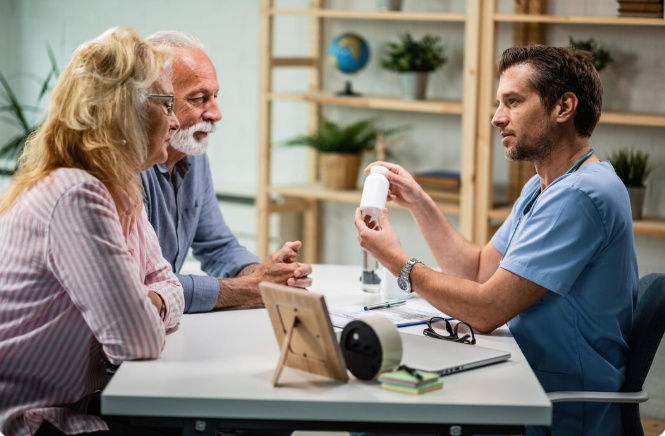
Healthcare is not only about treating illnesses after they occur. Preventive care focuses on taking proactive steps to protect your health, identify potential problems early, and reduce the risk of developing serious conditions. By prioritizing prevention, individuals can improve their quality of life, maintain better health, and avoid complications that may require more intensive treatment.
Regular checkups, screenings, vaccinations, healthy lifestyle choices, and early interventions are all important parts of preventive care. Understanding its value can help individuals make informed decisions about their health and well-being.
What Is Preventive Care?
Preventive care refers to medical services and healthy practices designed to prevent diseases, detect health concerns early, and maintain overall wellness.
Unlike emergency care, which focuses on treating existing problems, preventive care aims to identify risks before they become serious.
Examples of preventive care include:
- Routine health checkups
- Vaccinations
- Health screenings
- Dental examinations
- Eye exams
- Lifestyle counseling
- Wellness assessments
The goal is to maintain health rather than simply respond to illness.
Why Preventive Care Matters
Preventive care plays an important role in improving individual and community health.
Key benefits include:
- Early detection of diseases
- Lower healthcare costs over time
- Improved quality of life
- Better management of health risks
- Increased life expectancy
- Greater awareness of personal health
Many health conditions are easier to treat when discovered in their early stages.
Early Detection Saves Lives
One of the biggest advantages of preventive care is identifying health issues before symptoms appear.
Regular screenings can help detect conditions such as:
- High blood pressure
- Diabetes
- Certain cancers
- Heart disease risks
- Vision problems
- Dental issues
Early diagnosis often allows for more treatment options and better outcomes.
The Role of Regular Health Checkups
Routine medical appointments provide an opportunity to evaluate overall health and discuss concerns with healthcare professionals.
During a checkup, providers may review:
- Medical history
- Family health risks
- Lifestyle habits
- Current symptoms
- Blood pressure
- Weight changes
- Recommended screenings
These visits create a foundation for long-term health management.
Importance of Vaccinations
Vaccinations are one of the most effective preventive health measures available.
They help protect individuals and communities by reducing the spread of infectious diseases.
Vaccines may help prevent illnesses such as:
- Influenza
- Measles
- Certain respiratory infections
- Other vaccine-preventable diseases
Keeping vaccinations up to date is an important part of maintaining personal and public health.
Health Screenings and Their Benefits
Health screenings help identify conditions that may not show obvious symptoms.
Common screenings may include:
- Blood pressure checks
- Cholesterol testing
- Blood sugar testing
- Vision and hearing assessments
- Dental evaluations
- Age-appropriate cancer screenings
The recommended screenings vary depending on factors such as age, lifestyle, family history, and individual risk factors.
Preventive Care and Healthy Lifestyle Choices
Preventive healthcare extends beyond medical appointments. Daily habits have a major impact on long-term health.
Important lifestyle choices include:
Eating a Balanced Diet
A nutritious diet provides essential nutrients and supports healthy body functions.
Focus on:
- Fruits and vegetables
- Whole grains
- Lean proteins
- Healthy fats
- Adequate hydration
Staying Physically Active
Regular physical activity supports:
- Heart health
- Muscle strength
- Mental well-being
- Healthy weight management
Activities such as walking, cycling, swimming, and strength training can contribute to overall wellness.
Getting Quality Sleep
Sleep plays a vital role in:
- Immune function
- Mental health
- Energy levels
- Recovery
Maintaining a consistent sleep routine supports better overall health.
Managing Stress
Chronic stress can affect physical and emotional well-being.
Healthy stress management techniques include:
- Meditation
- Deep breathing
- Exercise
- Relaxation activities
- Spending time with supportive people
Preventive Care Across Different Life Stages
Health needs change throughout life, making preventive care important at every age.
Children
Preventive care for children may include:
- Growth monitoring
- Vaccinations
- Developmental screenings
- Vision and hearing checks
Adults
Adults benefit from:
- Routine checkups
- Lifestyle assessments
- Disease risk screenings
- Mental health support
Older Adults
Preventive care for older adults may focus on:
- Mobility
- Bone health
- Medication management
- Chronic disease monitoring
- Cognitive health
The Financial Benefits of Prevention
Preventive care can also reduce healthcare costs by addressing problems before they become severe.
Early detection and prevention may help avoid:
- Expensive emergency treatments
- Hospital stays
- Complicated procedures
- Long-term health complications
Investing time in preventive care can lead to significant savings and better health outcomes.
The Role of Technology in Preventive Care
Technology is making preventive healthcare more accessible and convenient.
Modern tools include:
- Health tracking apps
- Wearable fitness devices
- Online health portals
- Remote consultations
- Digital reminders for appointments and medications
These technologies help individuals monitor their health and stay engaged with wellness goals.
Barriers to Preventive Care
Although preventive care offers many benefits, some people face challenges accessing it.
Common barriers include:
- Cost concerns
- Limited healthcare access
- Lack of awareness
- Time constraints
- Fear or anxiety about medical visits
Increasing education and improving access to healthcare services can help more people benefit from prevention.
How to Make Preventive Care a Priority
Building preventive care into your routine can be simple.
Helpful steps include:
- Schedule regular health appointments
- Keep medical records organized
- Follow recommended screenings
- Maintain healthy daily habits
- Discuss health concerns early
- Stay informed about personal risk factors
Small actions today can have a significant impact on future health.
Common Mistakes to Avoid
Avoid these common preventive care mistakes:
- Waiting until symptoms become serious
- Skipping routine checkups
- Ignoring family health history
- Avoiding recommended screenings
- Neglecting mental health
- Relying only on medication instead of healthy habits
Prevention works best when it becomes a consistent part of everyday life.
Conclusion
Preventive care is one of the most effective ways to protect your health and improve your quality of life. Regular checkups, screenings, vaccinations, and healthy lifestyle choices allow individuals to detect potential problems early and reduce the risk of serious conditions.
Healthcare is not only about treating illness—it is also about maintaining wellness and preventing disease before it begins. By making preventive care a priority, individuals can take an active role in their health, make informed decisions, and build a healthier future.