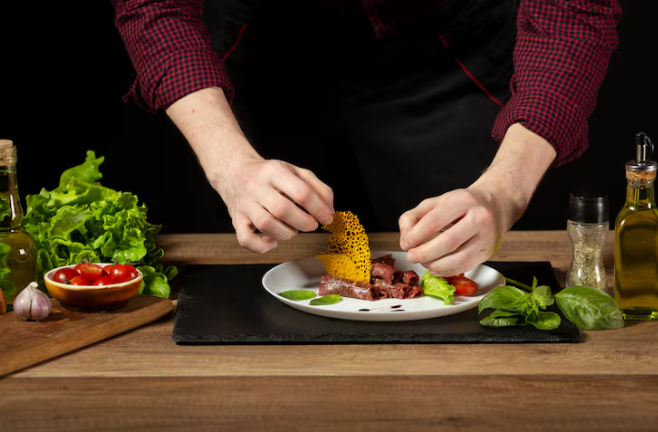
Creating restaurant-quality meals at home is not just about following recipes—it is about understanding ingredients, mastering techniques, and developing an appreciation for the details that transform ordinary dishes into memorable dining experiences. Professional chefs rely on careful preparation, balanced flavors, and thoughtful presentation to create exceptional meals, and many of these principles can be applied in a home kitchen.
With the right approach, anyone can improve their cooking skills and prepare meals that look impressive, taste incredible, and bring the feeling of a fine dining experience into their own home.
Start with Quality Ingredients
The foundation of every great meal begins with the ingredients. Professional kitchens prioritize freshness, seasonality, and quality because ingredients directly influence flavor.
When selecting ingredients:
- Choose fresh produce whenever possible.
- Use high-quality proteins.
- Select herbs and spices with strong aromas.
- Pay attention to texture and color.
- Buy ingredients that are in season.
Fresh ingredients often require less preparation because their natural flavors are already more pronounced.
Understand Flavor Balance
Restaurant chefs focus on creating harmony between different flavors. A successful dish usually combines several taste elements:
Sweet
Adds richness and balance to savory dishes.
Sources include:
- Caramelized onions
- Fresh fruits
- Roasted vegetables
- Natural sweeteners
Salty
Enhances other flavors and brings depth to food.
Common sources include:
- Sea salt
- Cheese
- Soy sauce
- Cured ingredients
Sour
Adds brightness and prevents dishes from feeling heavy.
Examples include:
- Lemon juice
- Vinegar
- Pickled ingredients
Bitter
Provides complexity when used correctly.
Examples include:
- Dark greens
- Coffee
- Certain herbs
Umami
Creates a savory, satisfying flavor.
Sources include:
- Mushrooms
- Parmesan cheese
- Tomatoes
- Broths
- Fermented foods
Balancing these elements is one of the secrets behind professional cooking.
Master Basic Cooking Techniques
Restaurant-quality cooking depends heavily on technique.
Some essential methods include:
Sautéing
Cooking food quickly over high heat creates flavorful browning while maintaining texture.
Roasting
Roasting enhances natural sweetness and develops deeper flavors through caramelization.
Braising
Slow cooking in liquid creates tender, flavorful dishes.
Grilling
High heat creates smoky flavors and attractive sear marks.
Reducing
Simmering sauces concentrates flavors and creates richer textures.
Mastering these techniques provides a strong foundation for advanced cooking.
Prepare Ingredients Like a Professional
Professional chefs emphasize preparation before cooking, often called “mise en place,” which means having everything organized before starting.
Good preparation includes:
- Washing and cutting ingredients beforehand
- Measuring spices
- Preparing sauces
- Organizing cooking tools
- Planning cooking times
Proper preparation reduces stress and helps ensure better results.
Invest in Essential Kitchen Tools
You do not need an expensive kitchen full of equipment, but a few quality tools make cooking easier.
Useful essentials include:
- A sharp chef’s knife
- Cutting board
- Heavy skillet
- Saucepan
- Baking sheet
- Measuring tools
- Food thermometer
- Blender or food processor
Quality tools improve precision and consistency.
Build Layers of Flavor
Professional dishes often contain multiple layers of flavor rather than relying on a single ingredient.
Ways to build flavor include:
- Seasoning throughout the cooking process
- Toasting spices before use
- Adding aromatics like garlic and herbs
- Creating flavorful sauces
- Using stocks instead of plain water
- Finishing dishes with fresh ingredients
Small techniques can create significant improvements.
Learn the Importance of Seasoning
Seasoning is one of the biggest differences between home cooking and restaurant cooking.
Chefs typically season food at different stages rather than only at the end.
Tips include:
- Season proteins before cooking.
- Taste food throughout preparation.
- Adjust salt gradually.
- Add acidity to brighten flavors.
- Use herbs at the right stage of cooking.
Proper seasoning allows ingredients to reach their full potential.
Create Restaurant-Style Sauces
Sauces often define restaurant dishes by adding moisture, flavor, and sophistication.
Popular sauce techniques include:
- Pan sauces made from cooking juices
- Cream-based sauces
- Herb oils
- Fresh salsas
- Reductions
- Homemade dressings
A simple dish can become extraordinary with the right sauce.
Focus on Texture
Great meals are not only about flavor—they are also about texture.
A well-designed dish may combine:
- Crispy elements
- Creamy components
- Tender proteins
- Fresh vegetables
- Crunchy toppings
Texture creates a more enjoyable and memorable eating experience.
Cook Proteins Correctly
Proteins are often the centerpiece of restaurant meals.
Important tips include:
Meat
- Bring meat closer to room temperature before cooking.
- Avoid overcrowding the pan.
- Allow resting time after cooking.
Fish
- Avoid overcooking.
- Use gentle cooking methods.
- Pair with bright flavors.
Poultry
- Maintain proper cooking temperatures.
- Use marinades or seasoning blends for added flavor.
Proper technique makes a significant difference.
Make Vegetables the Highlight
Modern restaurants often treat vegetables as more than side dishes.
Improve vegetables by:
- Roasting for deeper flavor
- Adding herbs and spices
- Combining different textures
- Using seasonal produce
- Finishing with sauces or fresh toppings
Creative vegetable preparation can elevate an entire meal.
The Importance of Presentation
Visual appeal influences how people experience food.
Restaurant chefs consider:
- Plate arrangement
- Color contrast
- Portion size
- Garnishes
- Clean presentation
Simple presentation techniques include:
- Using white plates for contrast
- Adding fresh herbs
- Creating height on the plate
- Avoiding overcrowding
- Wiping plate edges before serving
A beautiful presentation makes meals feel more special.
Create a Dining Atmosphere
A restaurant experience involves more than food.
Enhance your home dining experience with:
- Comfortable lighting
- Clean table settings
- Background music
- Attractive serving dishes
- Thoughtful timing
The environment influences how guests perceive the meal.
Experiment with Global Flavors
Exploring different cuisines expands your cooking skills.
Try incorporating:
- Mediterranean herbs
- Asian spices
- Latin American sauces
- Middle Eastern seasonings
- Indian cooking techniques
Learning from different culinary traditions introduces new flavors and methods.
Practice Makes Perfect
Even professional chefs developed their skills through repetition and experimentation.
Improve by:
- Trying new recipes
- Learning from mistakes
- Practicing knife skills
- Understanding cooking temperatures
- Keeping notes about successful dishes
Every meal provides an opportunity to improve.
Avoid Common Cooking Mistakes
Many home cooks struggle with simple issues.
Common mistakes include:
- Not seasoning enough
- Using low-quality ingredients
- Overcrowding pans
- Ignoring cooking temperatures
- Skipping preparation
- Overcomplicating recipes
Improving these habits can quickly elevate your cooking.
Make Restaurant Favorites at Home
Many popular restaurant-style dishes can be recreated with practice.
Examples include:
- Homemade pasta dishes
- Gourmet burgers
- Grilled steaks
- Fresh seafood plates
- Creative salads
- Specialty desserts
The key is understanding techniques rather than simply copying recipes.
The Role of Patience in Cooking
Great cooking often requires time and attention.
Allow time for:
- Slow roasting
- Proper marination
- Sauce development
- Dough preparation
- Resting cooked foods
Patience allows flavors to develop naturally.
Conclusion
Creating restaurant-quality meals at home is an achievable skill built through knowledge, practice, and attention to detail. By choosing quality ingredients, mastering essential techniques, balancing flavors, and focusing on presentation, home cooks can transform everyday meals into impressive dining experiences.
The secret is not expensive equipment or complicated recipes—it is understanding how ingredients work together and applying thoughtful cooking methods. With curiosity and practice, your kitchen can become a place where unforgettable restaurant-style meals are created and enjoyed.